What is in the bag
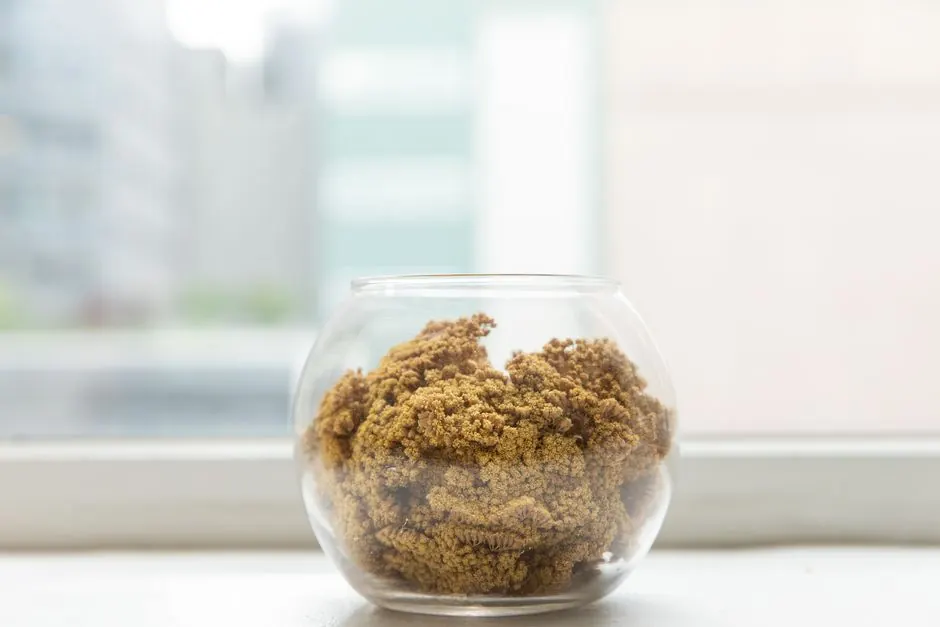
- Long-Fibre Sphagnum Moss (Grade A) 10–20cm strandsLiving-harvested, dried and compressed moss; not peat100%
| Physical metric | Value | What it means |
|---|---|---|
| Air-filled porosity | 35% | Share of the pot volume holding air after a full watering has drained |
| Water-holding capacity | 72% | Share of the pot volume holding water at container capacity |
| pH range | 4.0–5.0 | Measured in a 1:1.5 water extract after blending |
| Particle grading | 10–20cm strands | Screened range of the structural fraction |
| Starting EC | 0.05–0.2 mS/cm | Low enough for tissue-culture and freshly cleaned roots |
Who it is for: root morphology
Climbing aroids produce aerial roots from each node that, in the forest, grip tree bark and grow into the moss and humus that collect on trunks. Once anchored, these roots thicken and begin to take up water and nutrients, and the plant responds by producing larger, more mature leaves. Indoors, aerial roots hanging in dry air stay short and wiry; given a moist, fibrous surface to grow into, they attach, branch and feed the upper stem directly.
Sphagnum suits these roots because its structure combines extremely high water storage with large, open air spaces between strands. It also suits young roots in propagation and deflasking: delicate new roots from cuttings, cormlets or tissue culture plantlets grow quickly into its soft fibres, and they can be moved to a chunky substrate later with little damage.
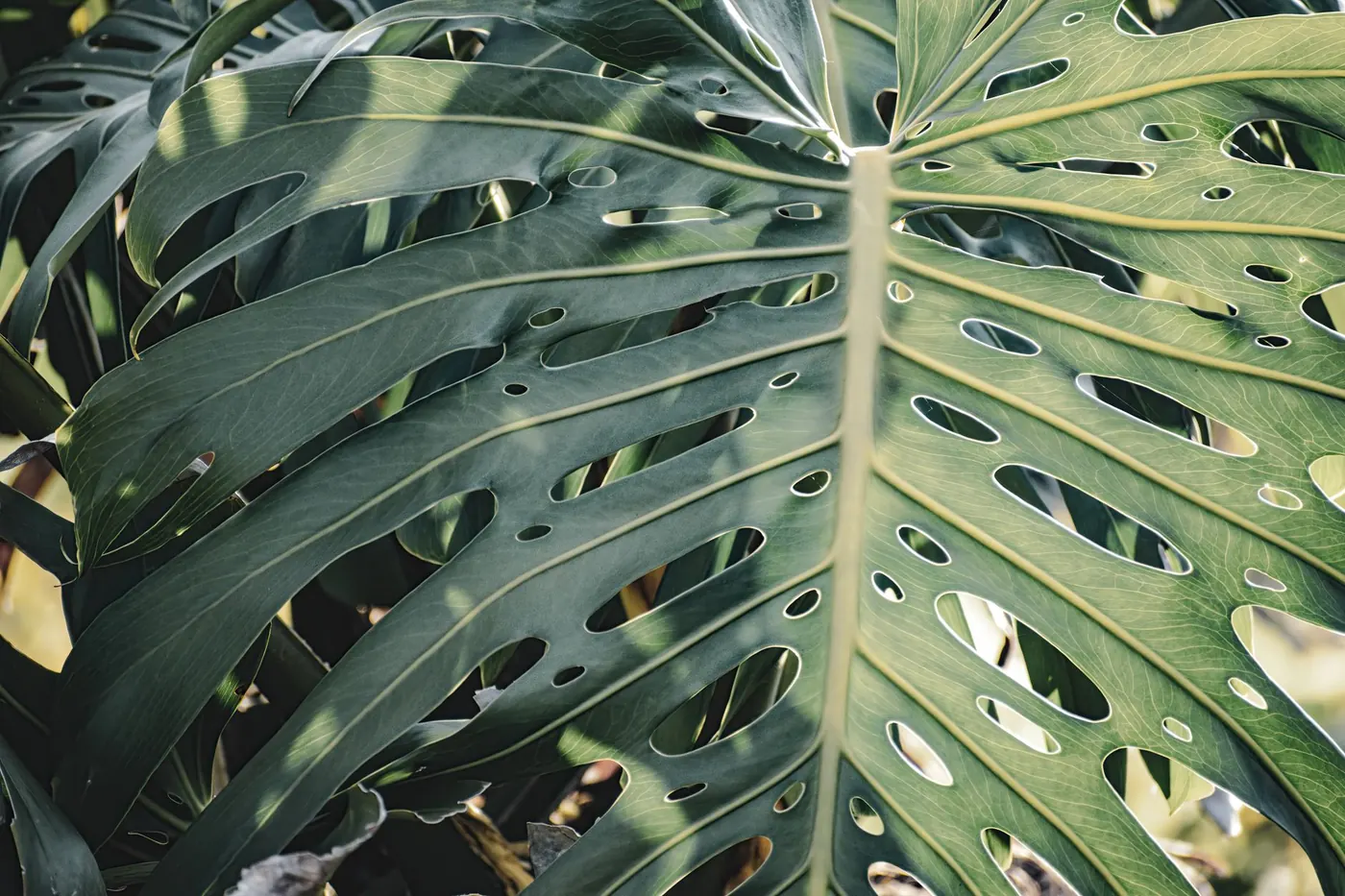
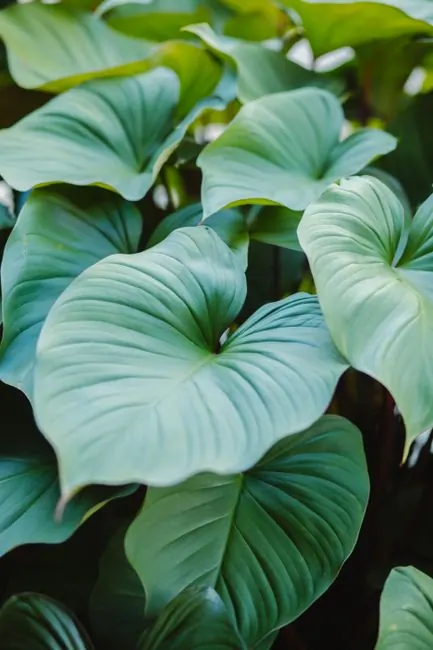
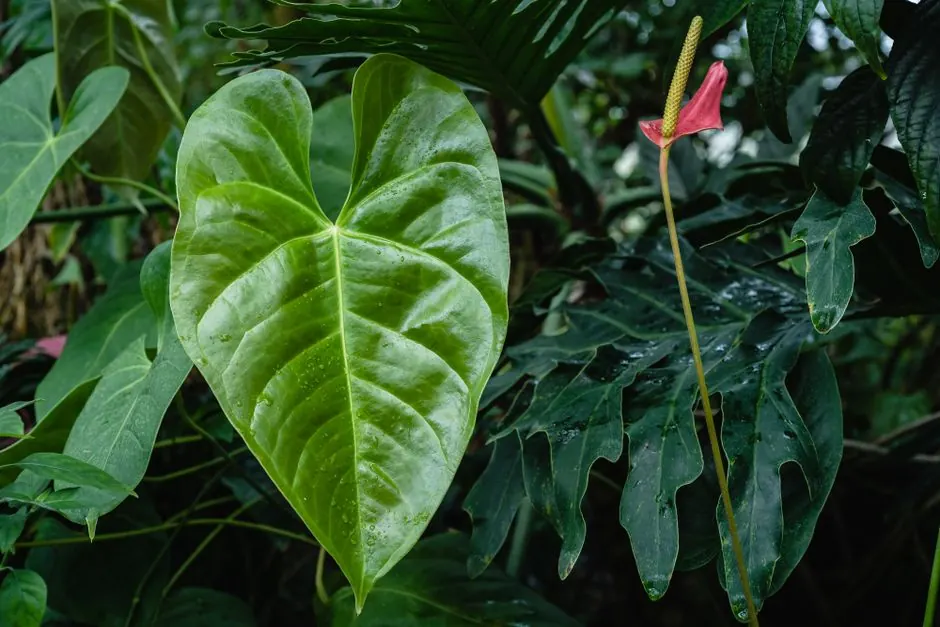
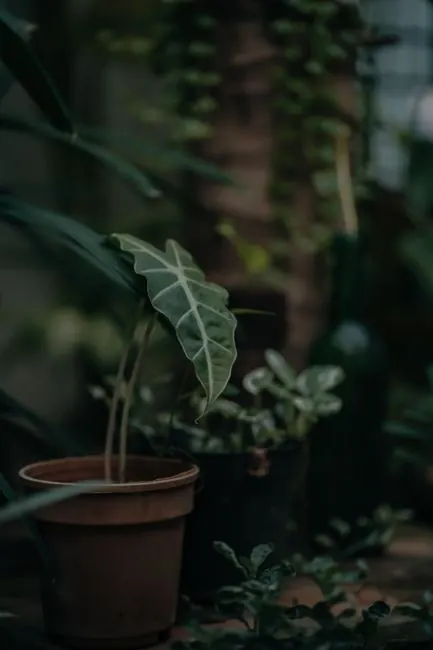
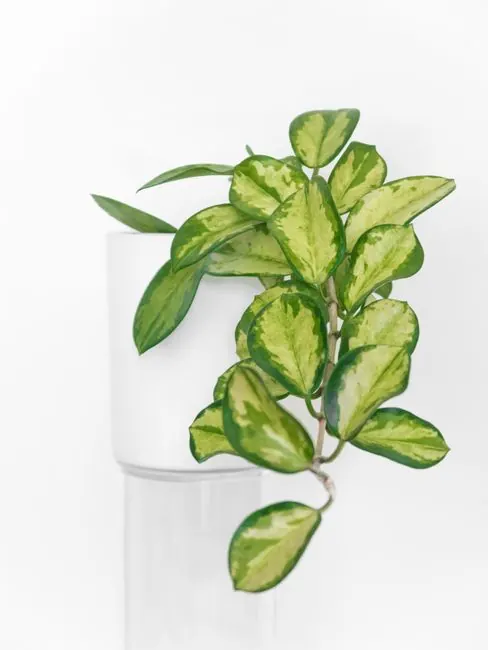
Plants this blend suits: Monstera deliciosa, Monstera deliciosa 'Thai Constellation', Monstera 'Albo Borsigiana', Philodendron melanochrysum, Philodendron 'Pink Princess', Philodendron 'Spiritus Sancti', Anthurium warocqueanum, Anthurium veitchii, Alocasia cormlets, Hoya cuttings, Phalaenopsis, tissue culture plantlets.
Why this formulation works
Sphagnum moss holds a remarkable amount of water. Its leaves contain large, empty, perforated hyaline cells that fill with water by capillarity, so dried moss can absorb up to 16–20 times its own dry weight. Long-fibre moss adds structure: when strands of 10–20cm are hydrated and loosely packed, water is held inside the plant tissue while the spaces between strands stay full of air. That is why a lightly packed, well-wrung moss pole can sit at around 35% air and 70% water by volume, a combination no blended substrate can match. Pack it tightly, or use milled or short-fibre moss, and those air spaces disappear.
Its chemistry is just as unusual. Sphagnum acidifies its surroundings by exchanging hydrogen ions for nutrients such as calcium and potassium, keeping its pH at around 4.0–5.0, and it releases sphagnan, a pectin-like compound that slows bacterial and fungal decay. Together these give it a natural resistance to rot that makes it ideal for propagation and for moss poles that stay moist for months. It also has a very low starting EC, so it will not burn delicate roots. The trade-off is that sphagnum contains almost no nutrients and holds few of them at a useful pH, so plants grown long term in moss need dilute, regular feeding.
This is surface-harvested living moss, dried and compressed, not peat. Peat is the partially decomposed remains of sphagnum and other plants, built up over thousands of years and extracted by draining bogs. Long-fibre sphagnum is cut from the living surface of regenerating beds, where it regrows, and is then cleaned, graded and dried. Grade A means long, clean strands with minimal fines, debris or short pieces; lower grades break down faster and pack tightly, losing the air space that makes the material useful.
In the nursery we use sphagnum in four ways: packing moss poles for climbing aroids, wrapping nodes for air layering, as the first medium for deflasked tissue culture plantlets, and in sealed propagation boxes for cuttings and Alocasia cormlets. A 1L compressed block rehydrates to roughly 5–6L of loose moss. For a 40cm moss pole you will need about 1.2L of hydrated moss, and for an 80cm pole around 2.4L.
When and how to repot
- Pull the compressed moss apart and soak it in a bucket of tepid rainwater or filtered water for 20–30 minutes until fully rehydrated.
- Lift the moss out in handfuls and wring it firmly so it is damp but not dripping. Over-wet moss packs into an airless mat.
- For a moss pole, fill the mesh or open-sided pole with loosely packed moss, firming just enough to stop it sagging. Push the pole into the pot before backfilling with substrate so it does not crush roots later.
- Tie the climbing stem to the pole with soft plant ties so that the aerial roots and nodes touch the moss. New roots should grow into it within two to four weeks.
- For air layering, wrap a ball of damp moss around a node with an aerial root, cover it with clear film or a propagation pod, and pot up once roots are 5cm long.
- For tissue culture or cuttings, place damp moss in a clear, lidded tub, set plantlets or cuttings into it and keep the lid on to maintain 90% or higher humidity.
- Keep moss poles moist by watering the top of the pole or spraying it every few days. Top up with fresh moss as the pole is extended upwards.
Open the repotting calculator pre-set for Long-Fibre Sphagnum Moss to work out litres, bag sizes and pot sizes for your whole collection.