What is in the bag
- Orchiata Pine Bark 12–18mmStructural air pockets between particles; lignin-rich, so it holds its shape for 18–24 months30%
- Coco Husk Chips 8–12mmHolds water inside each chip while leaving air channels between them20%
- Coarse Perlite 3–6mmPermanent lightweight air space that never decomposes15%
- Volcanic Pumice 4–8mmMineral skeleton with internal pores; adds weight to stabilise plants on moss poles15%
- Horticultural Charcoal 5–10mmStable macropores and adsorption of some organic breakdown compounds10%
- Organic Worm Castings <2mmSlow-release nitrogen, microbial life and cation exchange capacity10%
| Physical metric | Value | What it means |
|---|---|---|
| Air-filled porosity | 38% | Share of the pot volume holding air after a full watering has drained |
| Water-holding capacity | 41% | Share of the pot volume holding water at container capacity |
| pH range | 5.6–6.2 | Measured in a 1:1.5 water extract after blending |
| Particle grading | 2–18mm | Screened range of the structural fraction |
| Starting EC | 0.4–0.8 mS/cm | Low enough for tissue-culture and freshly cleaned roots |
Who it is for: root morphology
Monstera and climbing Philodendron grow two distinct kinds of root. Thick, cord-like roots of 5–8mm diameter anchor the plant and, on a climbing stem, become aerial roots that grip bark or a moss pole. From these, finer feeder roots branch out into the substrate to take up water and nutrients. The thick roots carry a spongy cortex that needs constant gas exchange; sitting in saturated media for more than a few days, that cortex goes brown and soft from the tip backwards, which is the first stage of Pythium root rot.
The pale growing tip of each root is where oxygen demand is highest, and at a typical living-room temperature of 20–23°C that demand is considerable. Crawling species such as Philodendron gloriosum add a third structure, a creeping rhizome that should sit on the surface of the mix rather than be buried, so for crawlers use a wide, shallow trough and keep the rhizome proud of the substrate.
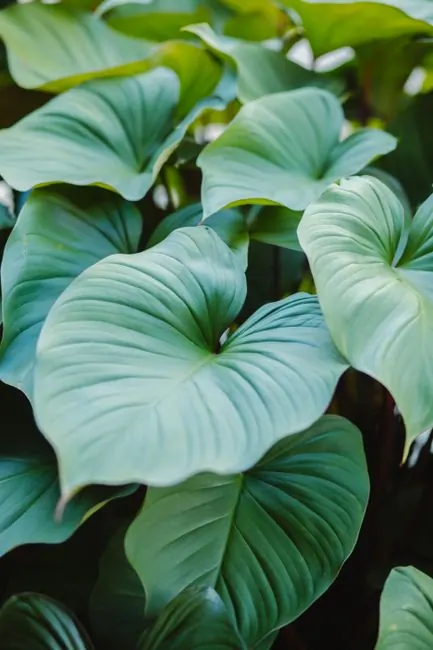
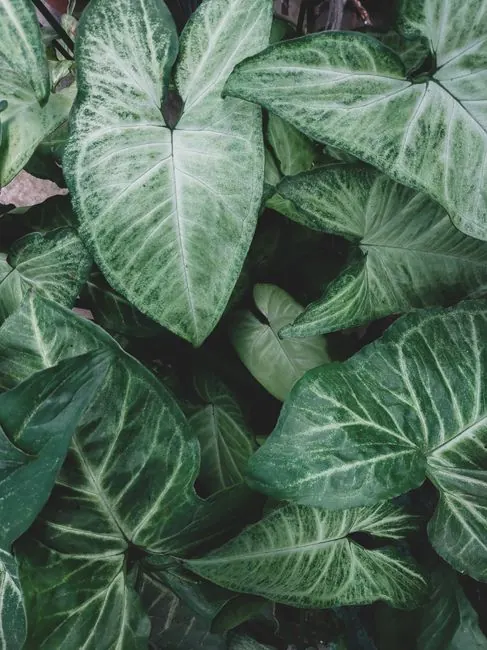
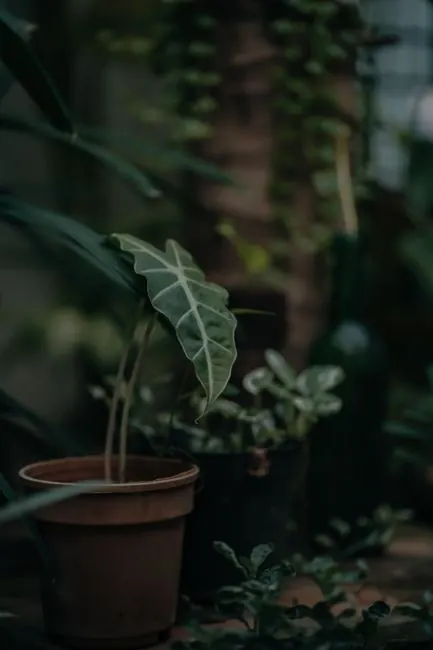
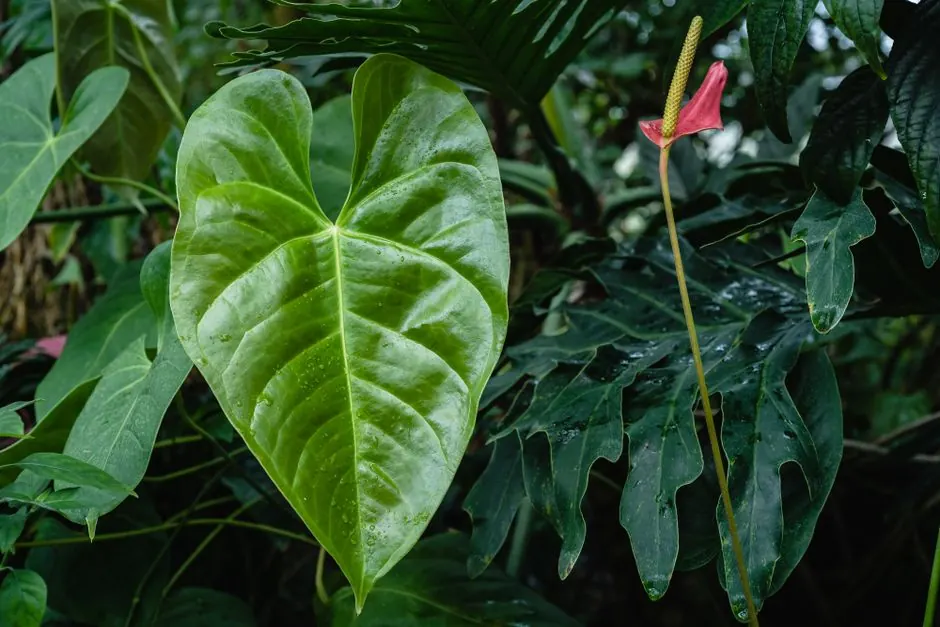
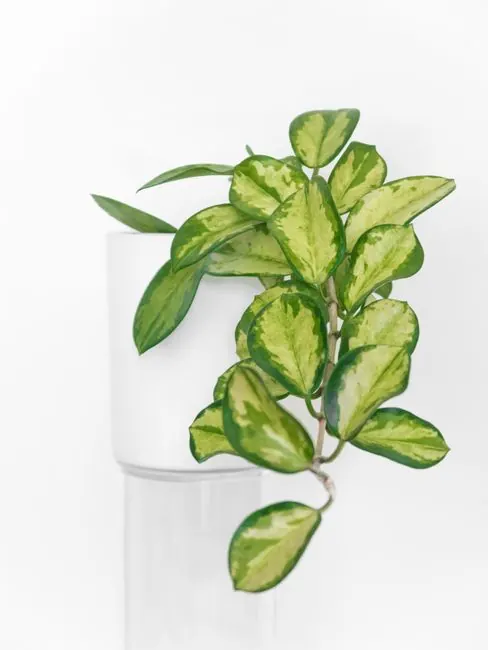
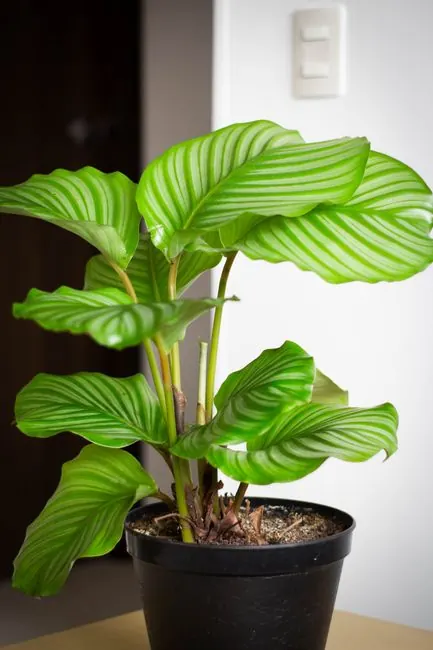
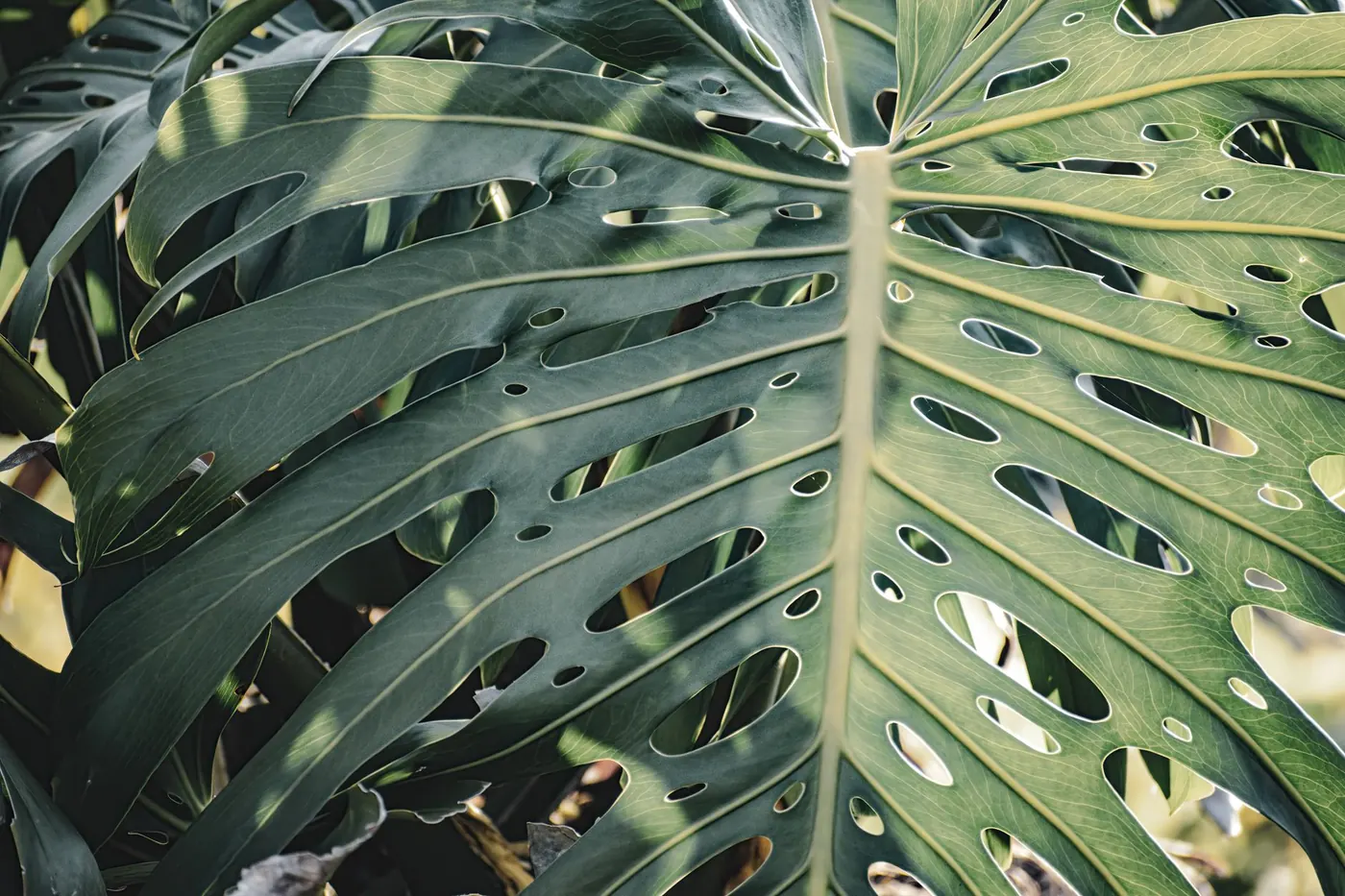
Plants this blend suits: Monstera deliciosa, Monstera deliciosa 'Thai Constellation', Monstera 'Albo Borsigiana', Monstera adansonii, Monstera 'Burle Marx Flame', Monstera esqueleto, Philodendron 'Pink Princess', Philodendron 'White Wizard', Philodendron 'Florida Ghost', Philodendron billietiae, Philodendron 'Spiritus Sancti', Philodendron gloriosum, Syngonium podophyllum.
Why this formulation works
The number that matters most in this bag is 38%. That is the Air-Filled Porosity measured after the mix has been fully drenched and allowed to drain freely: more than a third of the pot volume is still air. Green-waste multipurpose compost typically measures below 8% once it has slumped in a pot for a month, which is why aroids sold in it so often arrive with brown, collapsing roots. Every container holds a perched water table, a saturated layer at the base whose height depends on particle size rather than pot depth. In fine compost that layer can occupy half of a 12cm pot. With 12–18mm bark and 4–8mm pumice it shrinks to a centimetre or two, and the roots above it breathe.
Each component earns its place. Orchiata is graded New Zealand Pinus radiata bark, steam-treated and aged so it does not lock up nitrogen as it settles, and its high lignin content means it decomposes over years rather than months. Coco husk chips behave like tiny sponges: water is held inside each chip while the gaps between chips stay open. Perlite and pumice form the permanent mineral skeleton that keeps the mix open as the organic fraction slowly breaks down; pumice is heavier, which matters when a 1.2m Monstera is leaning on a moss pole. Charcoal adds rigid macropores, and 10% worm castings supply slow nitrogen, beneficial microbes and enough cation exchange capacity (CEC, the substrate's ability to hold positively charged nutrients such as calcium, magnesium and potassium) to buffer your feed between waterings.
Chemically the mix sits at pH 5.6–6.2, the band in which iron, manganese and phosphorus stay most available to aroids, and it starts at a gentle EC of 0.4–0.8 mS/cm. That is enough to carry a freshly repotted plant through its first four to six weeks; after that, feed at half strength every second watering from March to September. In hard-water areas such as London, the Thames Valley and Bristol, bicarbonate in tap water drags substrate pH upwards by roughly 0.3–0.5 units a year. The bark's natural acidity slows that drift, which is one reason we repot on a 12–24 month cycle rather than waiting until the plant is pot-bound.
British homes are the real test. Between November and February most windowsills deliver a Daily Light Integral below 3 mol/m²/day, transpiration falls away, and a pot that dried in five days in July can stay damp for a fortnight or more in January. A high-AFP mix is the safety margin: even while the substrate is moist, the roots still have air. The coarse top layer also dries within two or three days of watering, which matters for pest control, because female Bradysia fungus gnats lay in the damp, fungus-rich top 2–3cm of fine organic media. Give them a dry, open surface and the breeding cycle stalls without a drop of insecticide.
When and how to repot
- Repot when roots circle the base of a clear pot or push out of the drainage slots, ideally between March and early September. Leave newly delivered plants for at least seven days first.
- Lightly moisten the mix the day before: roughly 200ml of water per litre, turned through by hand, so the coco husk and castings are damp but not dripping.
- Water the plant thoroughly 24 hours before repotting so the root ball slides out intact and the roots are turgid rather than brittle.
- Ease the plant out and tease away loose old substrate, especially dense peat or compost around the base of the stem. Cut out any roots that are brown, hollow or slough their outer skin when pinched.
- Choose a pot 2–3cm wider than the current root ball. Add a 2–3cm layer of mix to the base; there is no need for a separate drainage layer, which only raises the perched water table.
- Set the plant at the same depth it was growing, insert a moss pole now if you plan to use one, and backfill around the roots, tapping the pot rather than pressing down so the bark pockets stay open.
- Water through until it runs from the base, let it drain completely, and keep the plant out of direct sun for a week. Resume feeding at half strength after four to six weeks.
Open the repotting calculator pre-set for Monstera & Philodendron Mix to work out litres, bag sizes and pot sizes for your whole collection.