Tropical houseplants, rare aroids & starter plugs
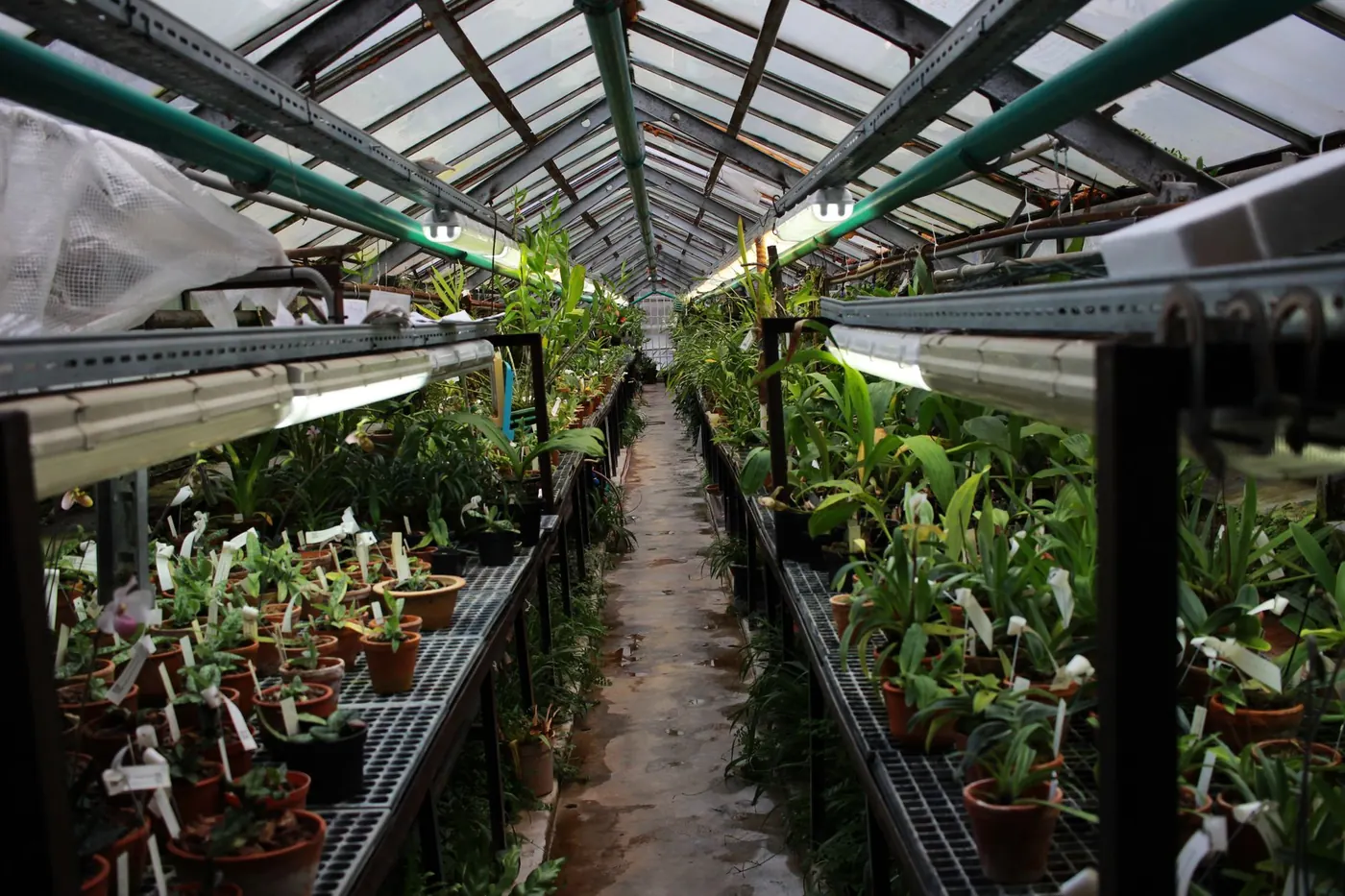
Every plant on this page has spent weeks on our York glasshouse benches, in our own peat-free substrate, before it is offered for sale.
Four ways to buy a plant
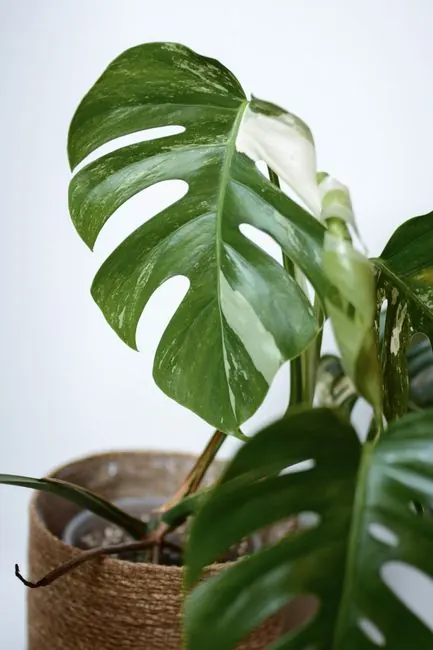
Rare & Variegated Collector Specimens
Established collector plants in 15cm pots and larger, each photographed on our benches and…
9 lines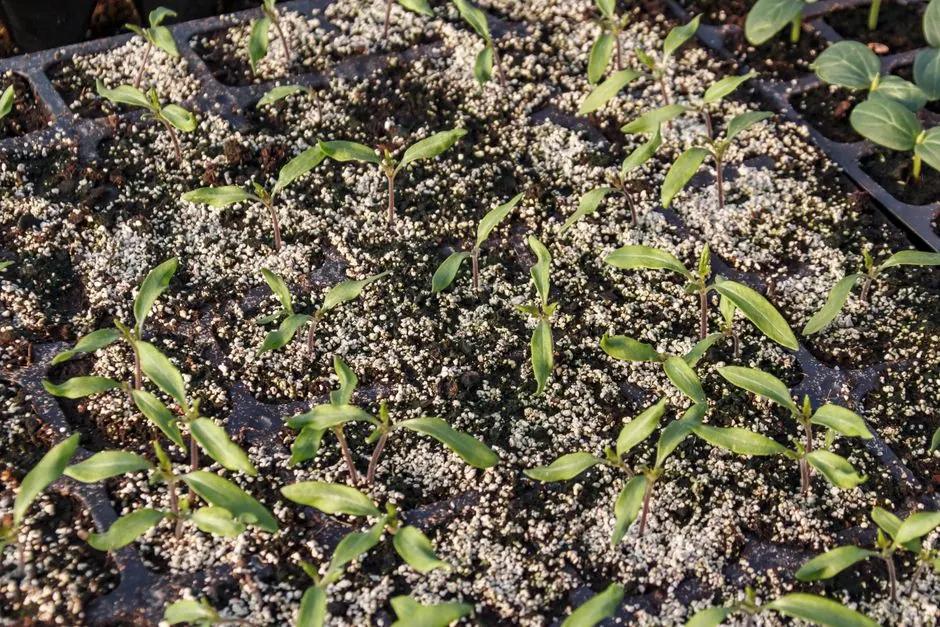
Baby & Starter Tropical Plants
Juvenile rare plants with established roots, sold small so you can grow them on yourself a…
10 lines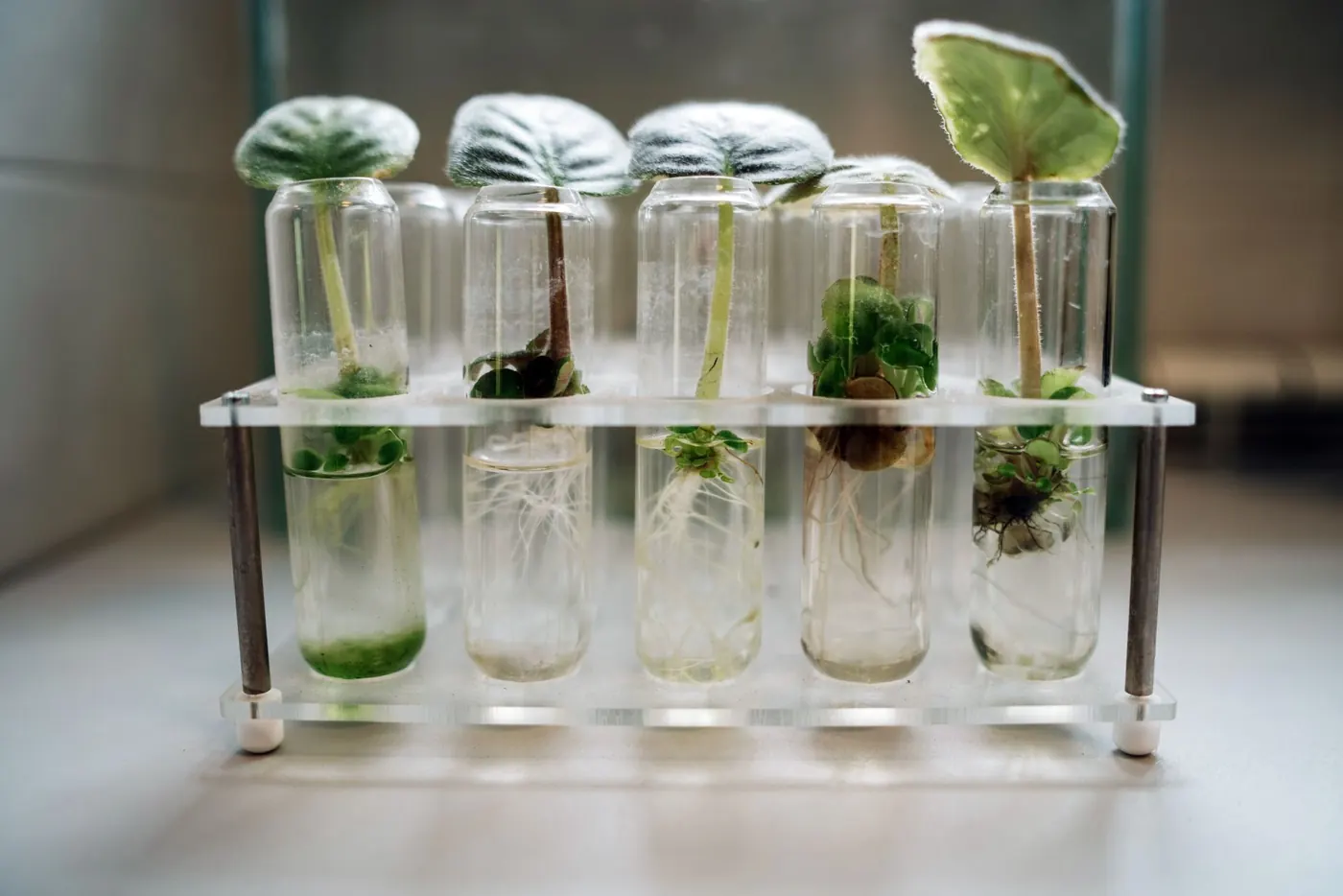
In-Vitro Tissue Culture Plantlets & Ex-Vitro Acclimatisation Kits
Sterile laboratory plantlets of rare aroids in sealed cups, the lowest-cost route into col…
8 lines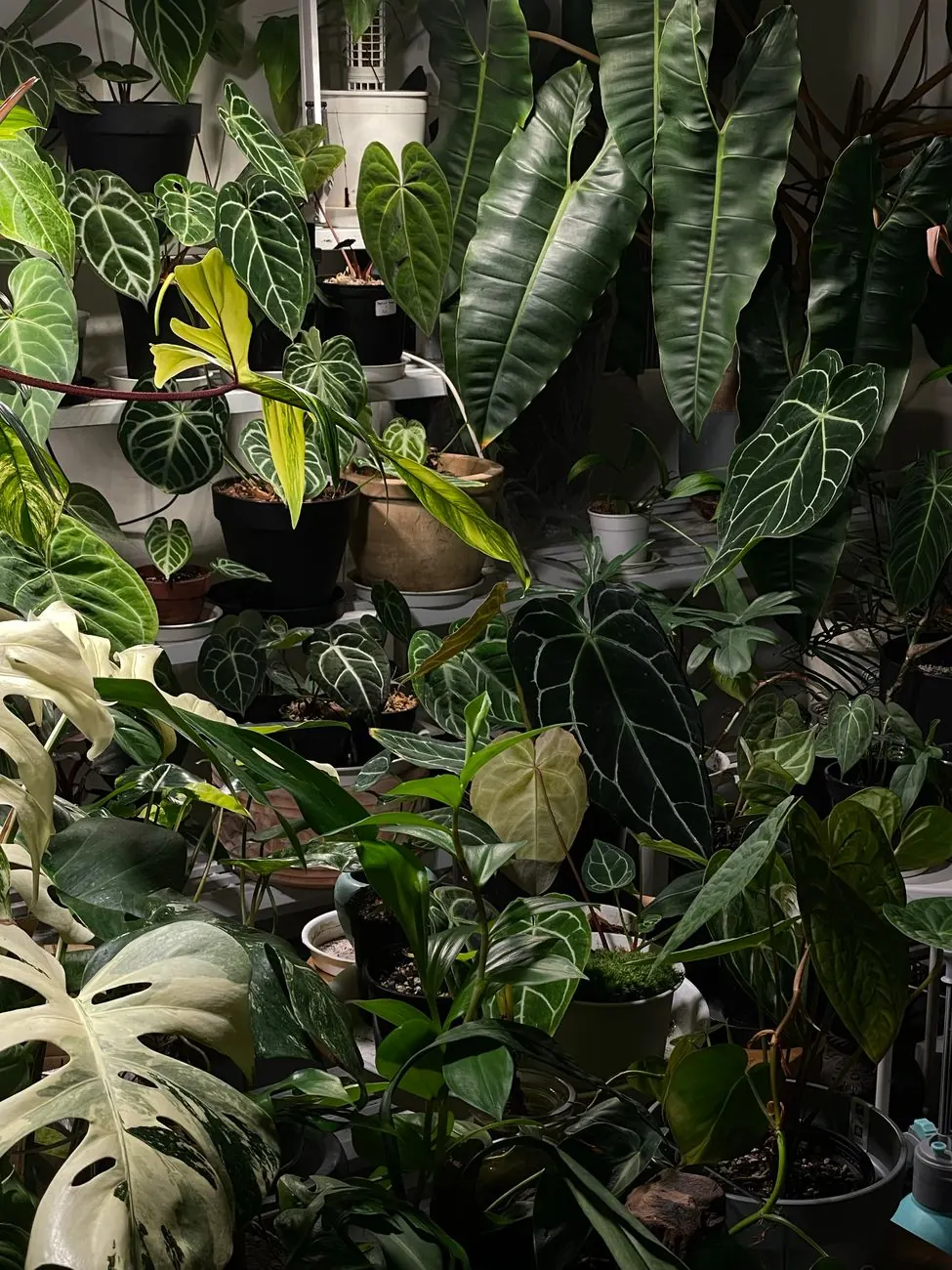
Imperfect Plant Rescue Boxes & Collector Mystery Bundles
Healthy, passported plants that do not meet our listing standard for cosmetic reasons, box…
6 linesEleven genera, one substrate for each
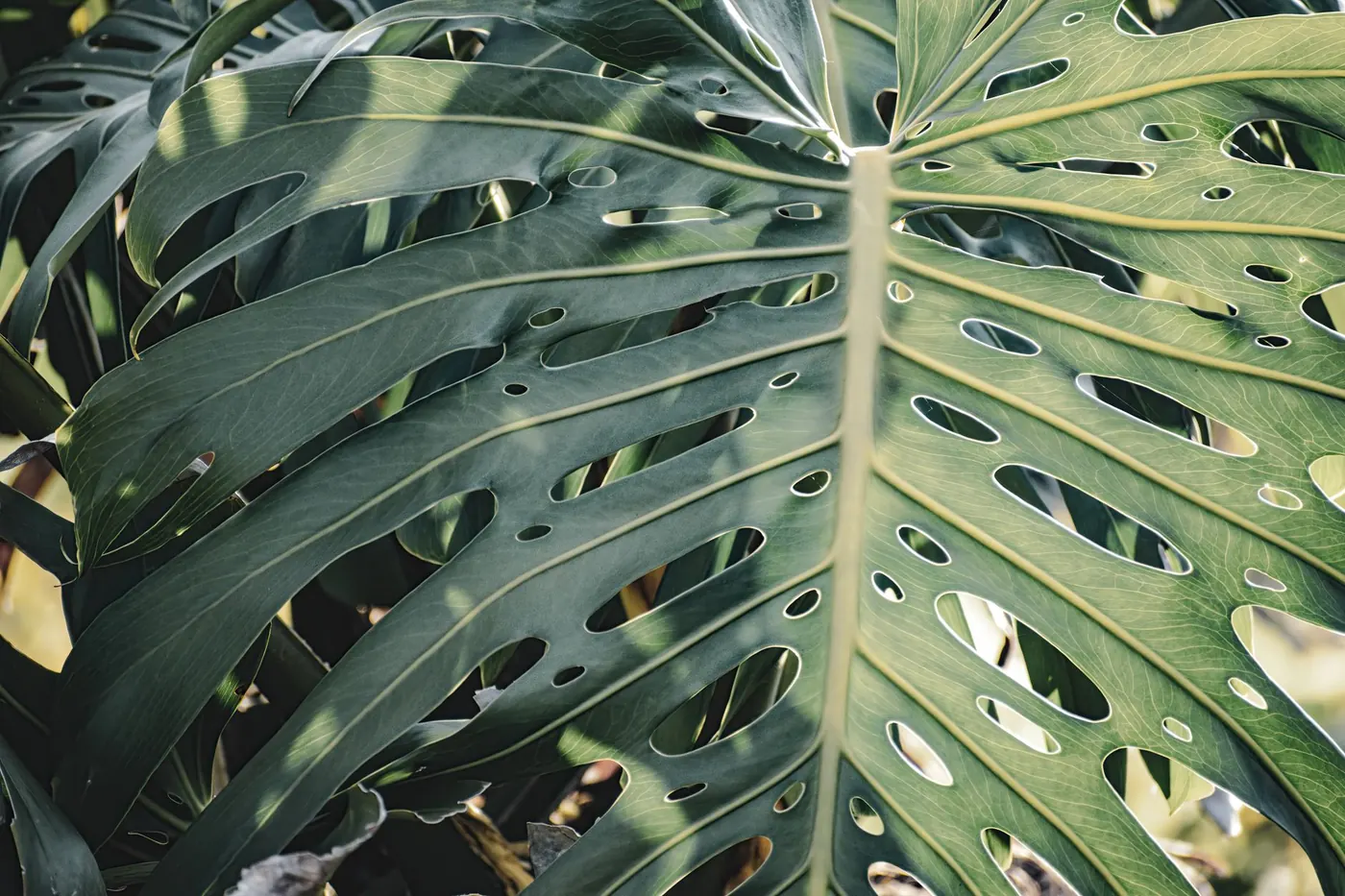
Monstera
Hemiepiphytic climbers from Central and South American forest, grown on in our Y…
7 varieties · family Araceae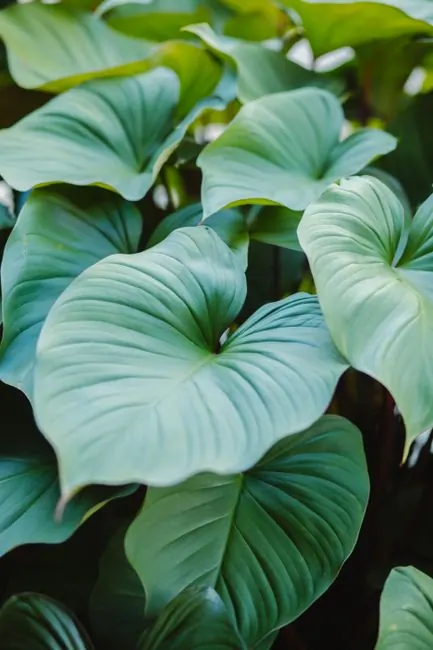
Philodendron
The second-largest aroid genus, split in practice into climbers that want a pole…
8 varieties · family Araceae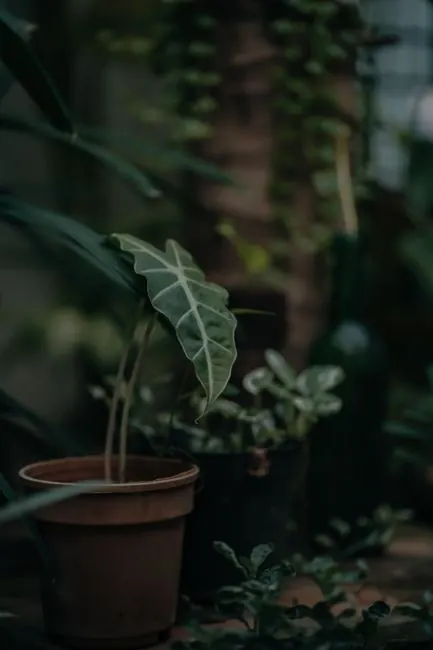
Alocasia
Rhizomatous jewels from the forest floors of Borneo and the Philippines that dro…
7 varieties · family Araceae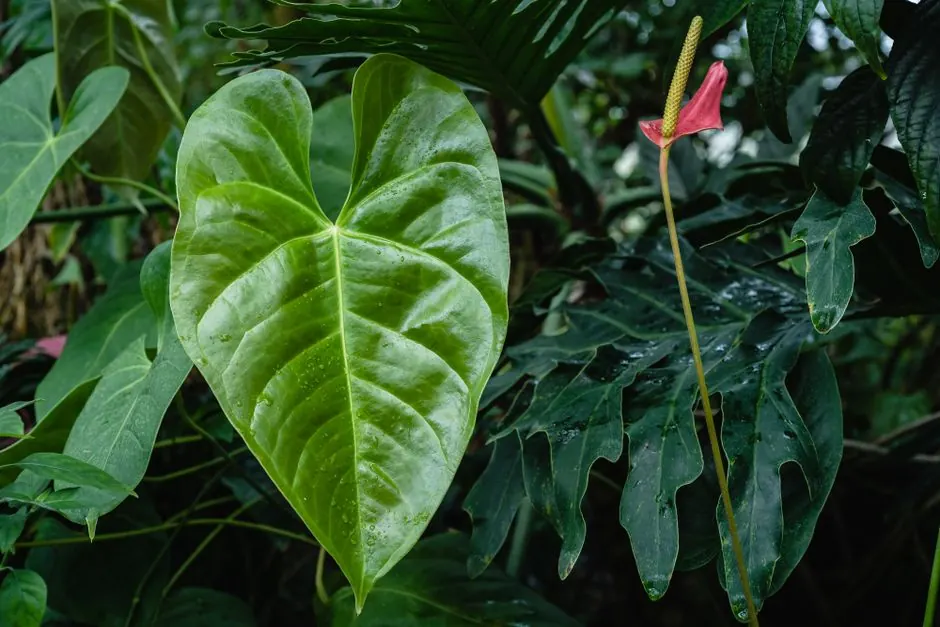
Anthurium
Cloud-forest epiphytes with velvet leaves and thick aerial roots that want const…
6 varieties · family Araceae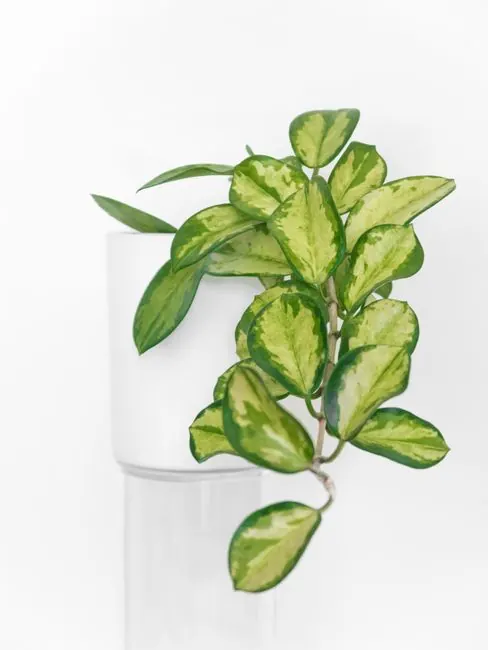
Hoya
Epiphytic climbers that flower on the same spurs year after year, given bright l…
6 varieties · pet-safe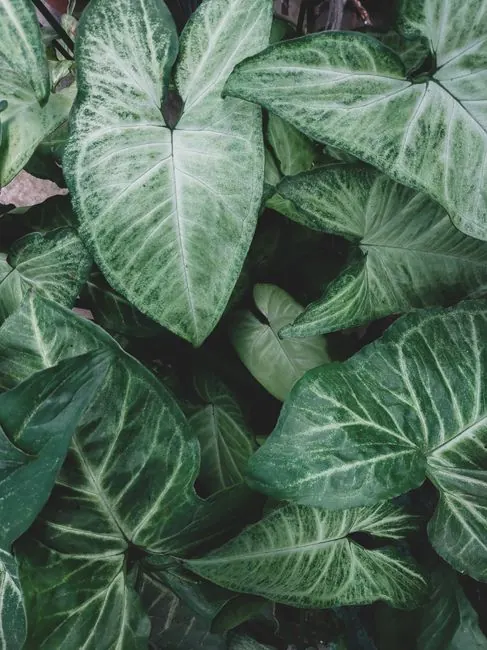
Syngonium
Quick, forgiving arrowhead vines whose colour and leaf shape are steered by how …
6 varieties · family Araceae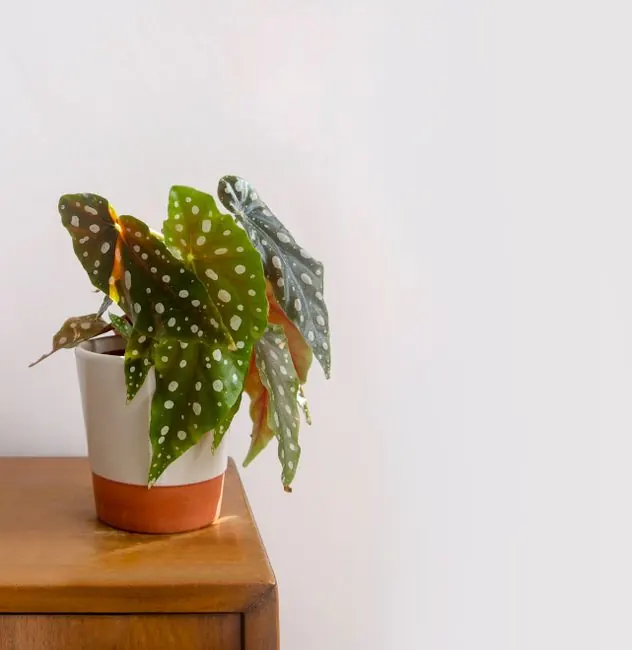
Begonia
From polka-dot canes on a windowsill to Bornean jewels that only thrive in a sea…
6 varieties · family Begoniaceae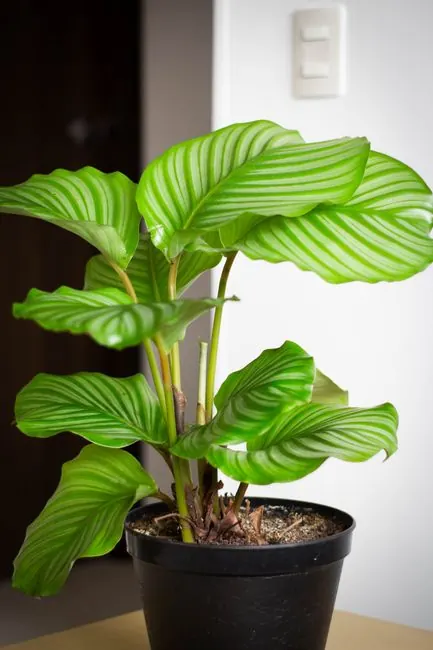
Calathea & Maranta
Pet-safe prayer plants from the forest understorey whose leaf edges show every h…
7 varieties · pet-safe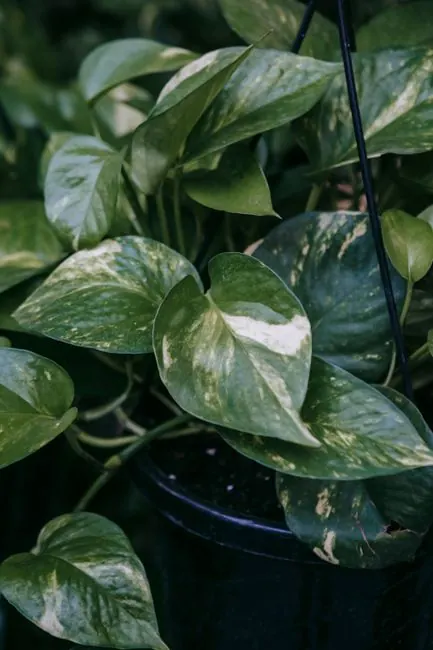
Scindapsus & Epipremnum
The easiest climbing aroids to keep alive and some of the most rewarding to trai…
7 varieties · family Araceae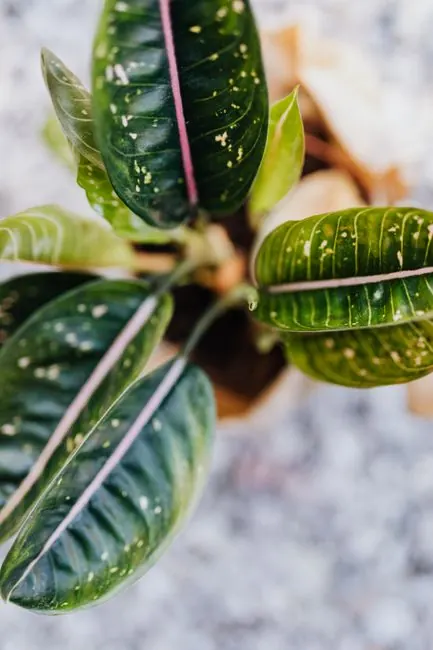
Aglaonema & Dieffenbachia
Understorey aroids that tolerate dimmer rooms than almost anything else with pat…
7 varieties · family Araceae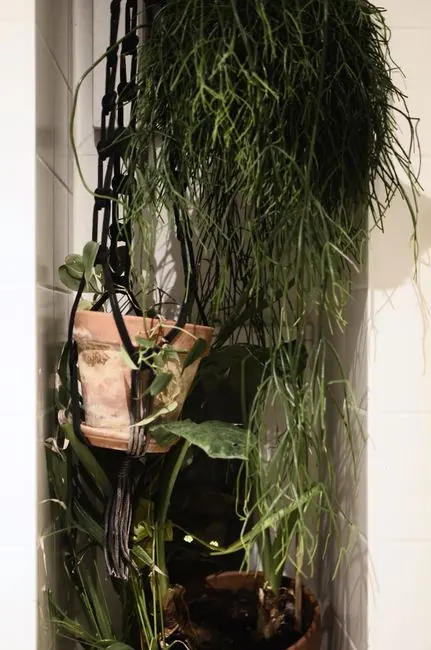
Rhipsalis & Epiphytic Cacti
Spineless forest cacti that hang from rainforest branches, want shade and regula…
7 varieties · pet-safeWe grow and acclimatise tropical plants at Upper Helmsley Nursery Studio near York, in 6,000 sq ft of glasshouses run alongside the studio where we blend our substrates. Plants arrive here as tissue culture plantlets, rooted cuttings or young stock, and they are grown on in the same genus-specific mixes we sell, in clear slotted pots, so the root ball you receive is already adapted to an airy, peat-free substrate rather than a dense propagation plug. Pests are managed with predatory mites and nematodes instead of systemic neonicotinoids, and every plant ships with a UK Plant Passport under our APHA professional operator registration.
Choose by stage and budget. Baby and starter plants in 6–9cm pots start at £4.99. Tissue culture cups at £8.99–£34.99 are the cheapest route into rare variegates if you are willing to deflask. Collector specimens from £60 are photographed individually and sent as the plant pictured. Rescue boxes from £15 contain healthy plants with cosmetic faults.
Live plants are dispatched Monday to Thursday only, with a 1pm cutoff, so nothing sits in a depot over a weekend. Below 5°C we add the Winter Thermal Guard, and above 32°C we hold orders at the nursery. Each plant is covered by our 7-Day Live Arrival Guarantee. For care by genus, see the genus guides.
Questions we are asked most
Still unsure? Email care@growtropic.co.uk with a photo of the plant and its roots — the nursery team replies Monday to Thursday.
Why do you only dispatch plants Monday to Thursday?
A plant posted on Friday can spend the weekend in a cold or hot depot. Dispatching Monday to Thursday with a 1pm cutoff means every parcel should be delivered within the working week. Orders placed after 1pm Thursday go out the following Monday.
What is a UK Plant Passport?
It is an official label that professional operators registered with APHA must attach to plants they move within the UK. It identifies the operator, the plant and its traceability code, showing it came through an inspected, registered business. Our biosecurity guide explains how to read one.
What does acclimatised mean on your listings?
Each plant has been grown on in our glasshouses, in our peat-free mix, for several weeks before sale. Imported or laboratory stock that has not settled to UK conditions tends to drop leaves after arrival; an acclimatised plant has already made that adjustment.
What if a plant arrives damaged?
Do not repot it for seven days, and email care@growtropic.co.uk with photos within seven days of delivery. Under the 7-Day Live Arrival Guarantee we will replace or refund plants that arrive dead or seriously damaged.