Why a nursery makes its own substrate
Growtropic started from a problem we kept seeing on our own benches. Plants arrived from growers healthy, were potted into the best commercial peat-free compost we could buy, and declined within weeks. The roots told the story: a dense, wet core, a sour smell and brown root tips. The compost was doing exactly what it was designed to do, holding water for bedding plants, and it was killing epiphytes.
So we started blending. First for ourselves, then for customers who asked what the plants were potted in, then for the shops that stocked our plants. Today every plant we sell is grown in the same blends we bag, and the recipes are printed on the pack by volume: bark grade, coir buffering, pumice size, the lot.
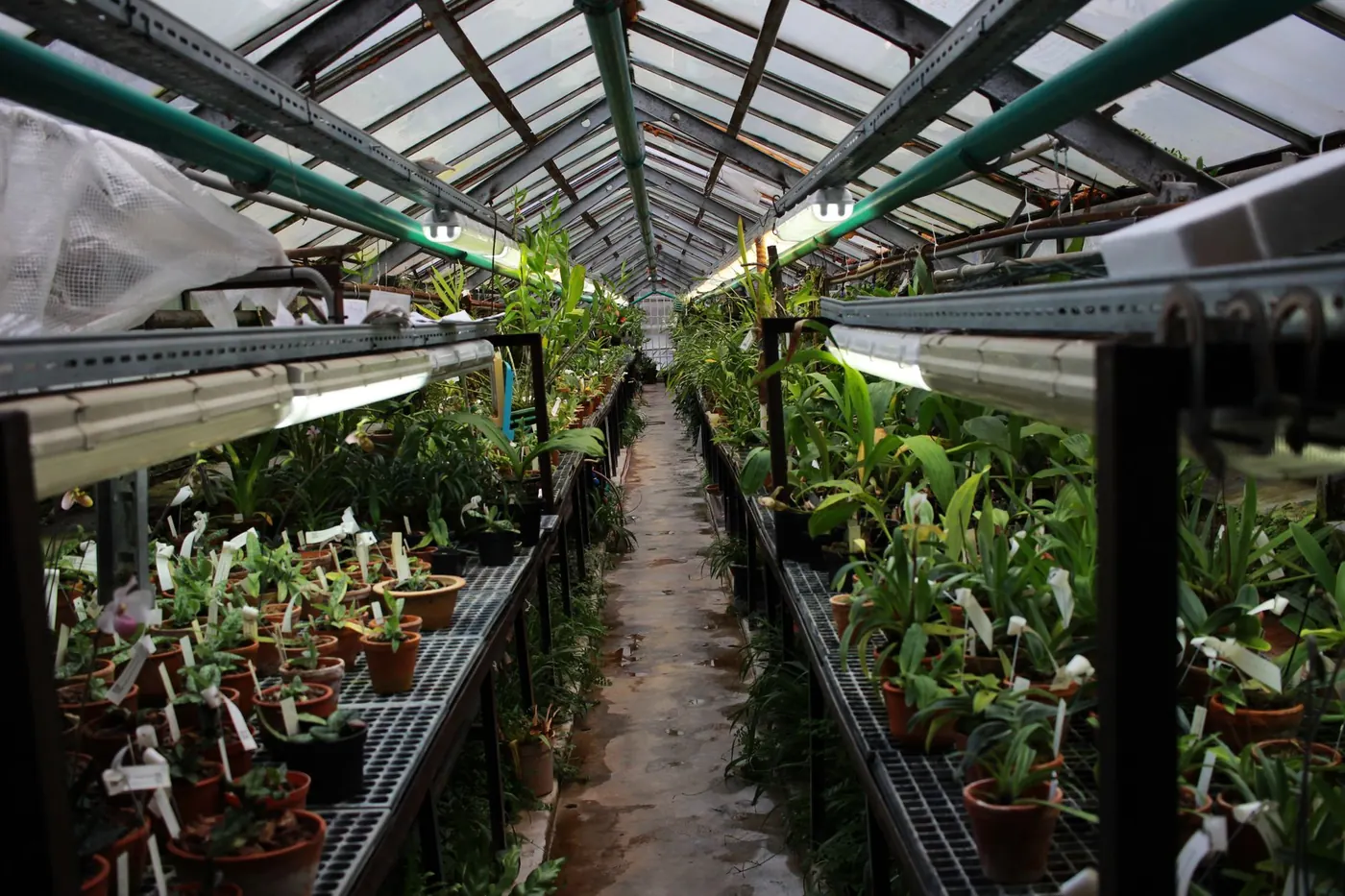
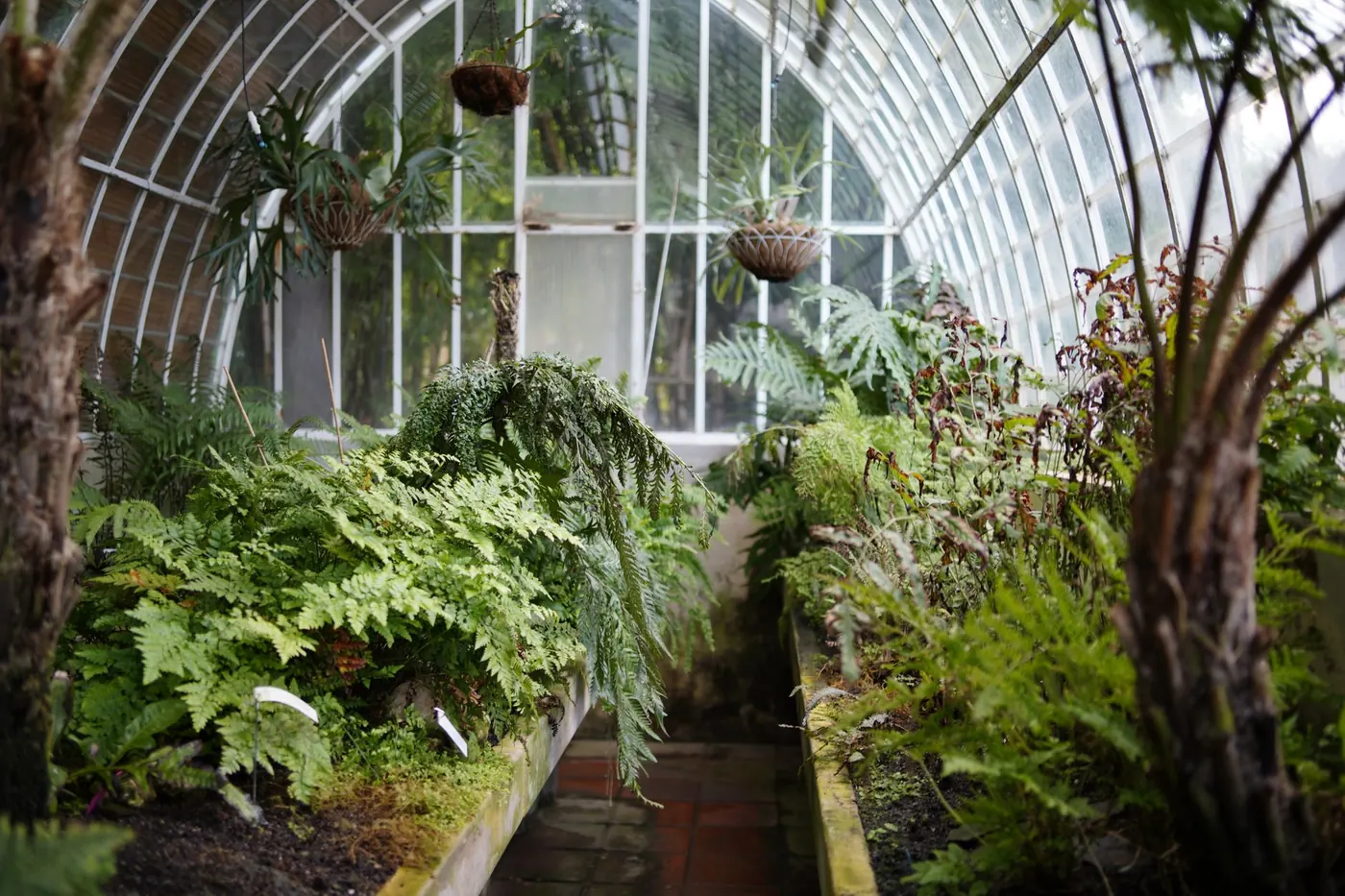
The glasshouses
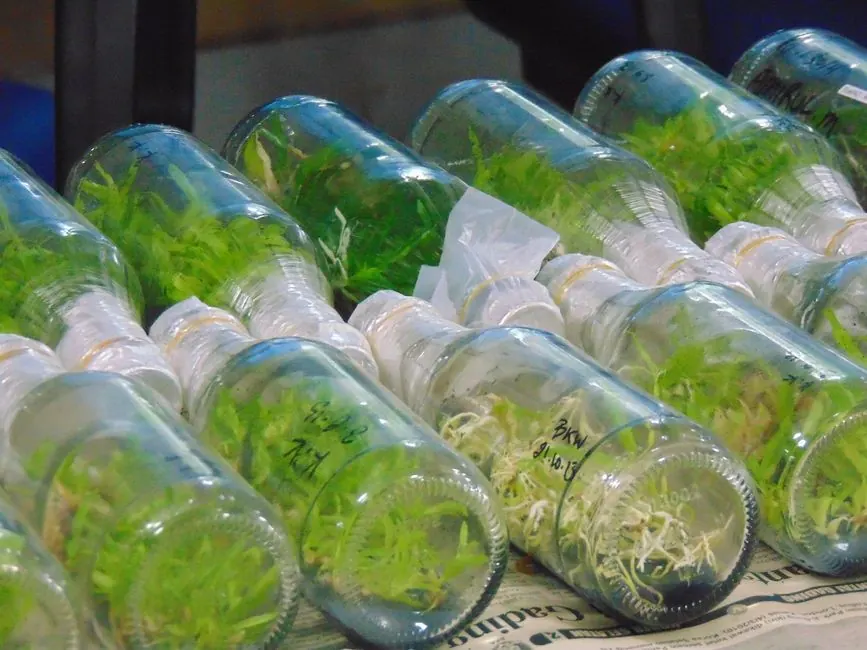
The site has three zones. Arrivals go into a quarantine house, separate from the main benches, where they are inspected leaf by leaf, root-checked and held for at least 14 days with sticky traps and predatory mites before anything else touches them. The acclimatisation house runs at 70–85% relative humidity and 22–26°C with supplementary LED lighting through the British winter, which is where tissue-culture plantlets are deflasked and weaned. The growing-on house is closer to a bright British living room, so plants are hardened to the conditions they will meet at home before they are sold.
Plant health and biosecurity
We are registered with the Animal and Plant Health Agency (APHA) as a professional operator, which means our premises can be inspected, our records traced and our plants issued with UK Plant Passports. Every plant that leaves the nursery carries a passport label showing its botanical name, our operator registration number, a traceability batch code and its country of origin. If a pest or disease is ever found in a batch, that code lets us trace every plant that shared its bench.
Pest control is biological. Amblyseius swirskii patrols for thrips and whitefly, Stratiolaelaps scimitus (formerly Hypoaspis miles) works the substrate surface for fungus gnat larvae, and Steinernema feltiae nematodes are watered in as a preventive. We do not use systemic neonicotinoids.
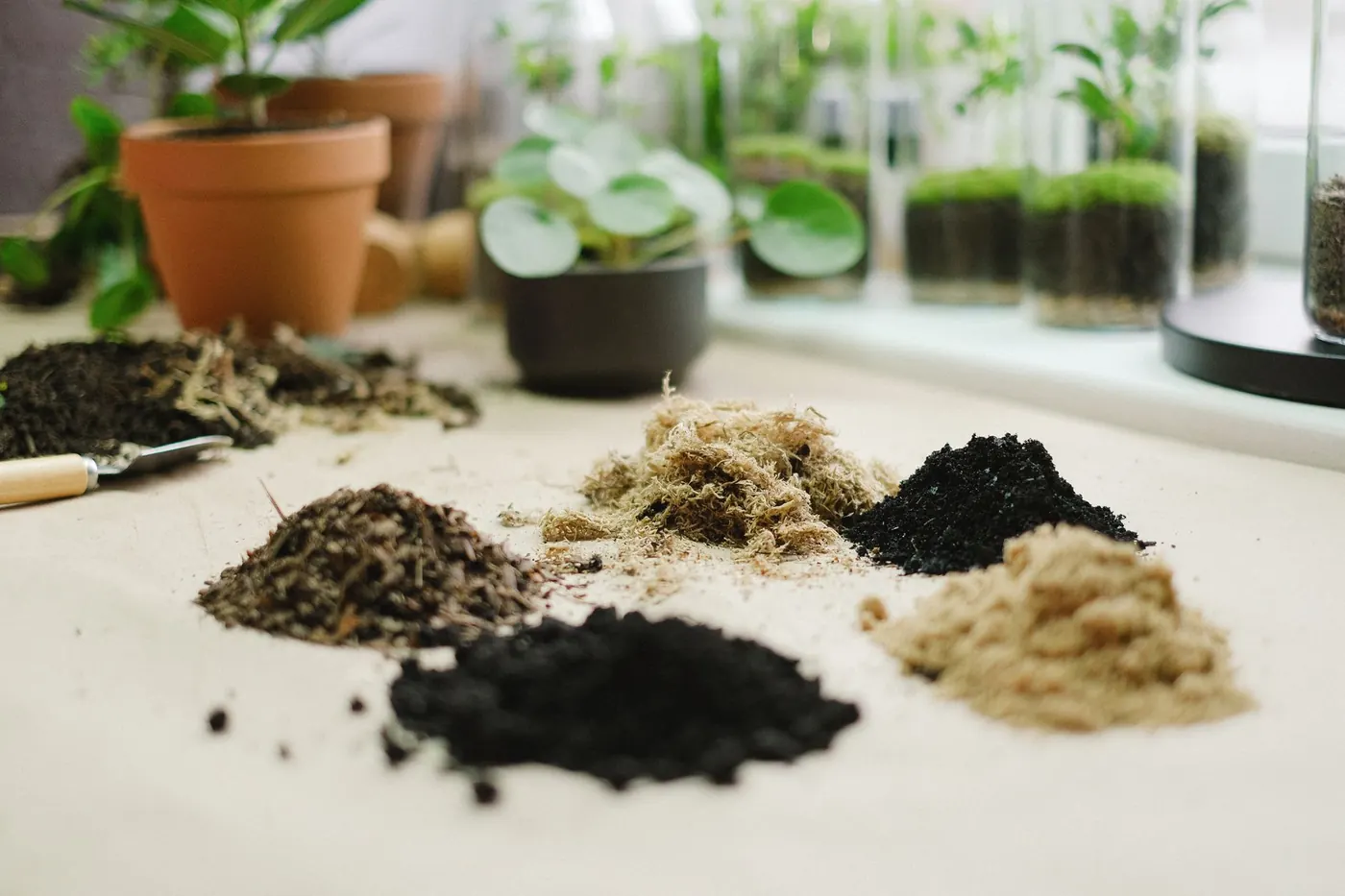
The mixing studio
Components arrive by the pallet and are screened before blending: bark to 12–18mm and 4–10mm fractions, pumice to 4–8mm, perlite to 3–6mm. Coir is pre-buffered with calcium and magnesium so it does not lock up nutrients. Blends are mixed by volume in weekly batches, bagged in recyclable stand-up pouches and 25L sacks, and spot-checked for pH and EC. Batches that measure outside range are reworked, not shipped.
100% peat-free, and why that is not a compromise
None of our blends contain peat, and none ever have. Peat bogs store vast amounts of carbon and the UK is phasing peat out of amateur horticulture. For tropical houseplants, though, the better argument is horticultural: a well-built bark, coir and mineral blend outperforms peat for epiphytic roots, because it keeps its structure and its air.